5 Elements Every Great Event Should Consider Planning an event involves hundreds of individual decisions. From selecting a venue to building a schedule, managing vendors, and communicating with attendees, it’s easy to become focused on the details when planning an event. But underneath all those decisions are a handful of fundamental elements that shape the […]

As the event industry has evolved, so have the expectations for speakers and presenters. Every event format whether in-person, virtual, or hybrid requires thoughtful preparation, audience awareness, and the ability to adapt to different environments.

By understanding the pillars of event planning, setting clear priorities, tracking expenses carefully, and focusing on value over cost alone, event planners can maximize their budgets without sacrificing quality. When financial decisions align with event goals, the result is a well-executed experience that delivers meaningful outcomes for attendees while supporting long-term event success.

At the heart of every successful event is a simple truth: people remember how you made them feel. Engagement isn’t about checking boxes or adding trendy features—it’s about creating intentional, meaningful experiences at every interaction. When you prioritize connection before, during, and after your event, you transform attendance into participation and moments into lasting impact.

Hiring an event strategist isn’t just about outsourcing tasks—it’s about elevating your entire event experience.

An event is more than a date on the calendar — it’s a chance to create a moment people carry with them long after the last chair is stacked.
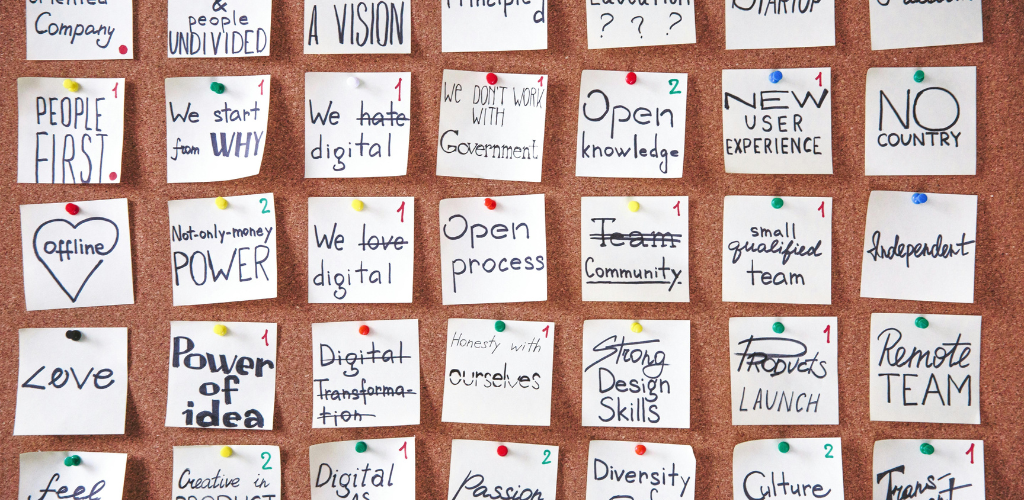
The first step in planning for the future is reflecting on the previous year. Gather your team and discuss what worked, what didn’t, and why.

The first step in planning for the future is reflecting on the previous year. Gather your team and discuss what worked, what didn’t, and why. Were certain themes or locations more successful? Did any marketing strategies resonate more with your audience? Collect feedback from attendees and team members alike. Their insights will be invaluable as you strategize for the new year.
The key to a successful event timeline is to start early and establish clear milestones along the way. Begin by mapping out the major deliverables, such as securing the venue, booking vendors, and sending out invitations. By setting these milestones, you can effectively track progress and stay organized throughout the planning process.
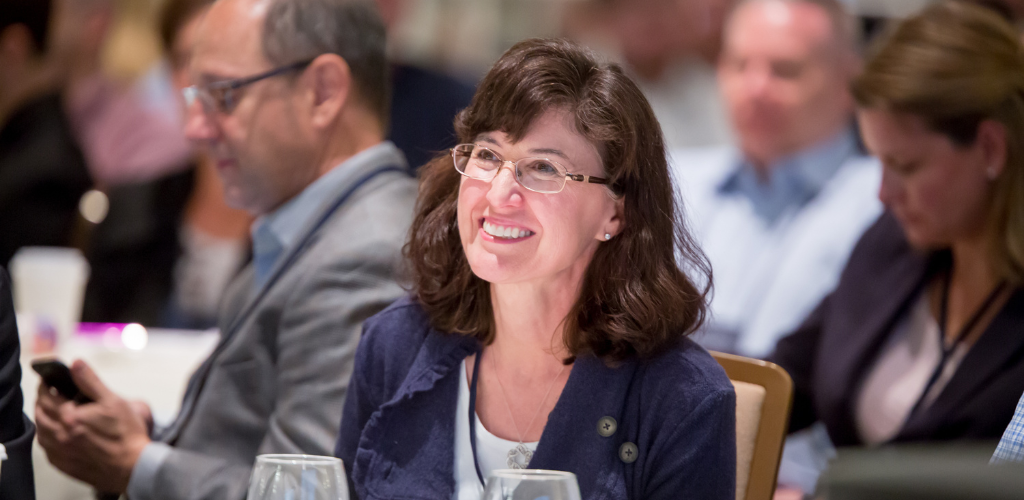
Creating a memorable event goes beyond basic design choices; it’s about weaving a cohesive story that connects all aspects of your communications.