Mastering the Event Planning Timeline Your Ultimate Guide to Stress-Free Events
October 1, 2025
I’m excited to share my top tips for creating a seamless event timeline. Whether you are organizing a conference, wedding, or corporate event, having a well-thought-out timeline is crucial for ensuring everything runs smoothly. Let’s dive right in!
Tip #1: Start Early and Establish Milestones
The key to a successful event timeline is to start early and establish clear milestones along the way. Begin by mapping out the major deliverables, such as securing the venue, booking vendors, and sending out invitations. By setting these milestones, you can effectively track progress and stay organized throughout the planning process.
Tip #2: Collaborate and Communicate with Your Team
Assemble your event team and make sure everyone is on the same page. Communication is vital for a well-coordinated timeline. Schedule regular team meetings to discuss progress, address any challenges, and ensure everyone understands their responsibilities and deadlines. Remember, a team effort makes the timeline creation process much smoother.
Tip #3: Break Down Tasks and Assign Timeframes
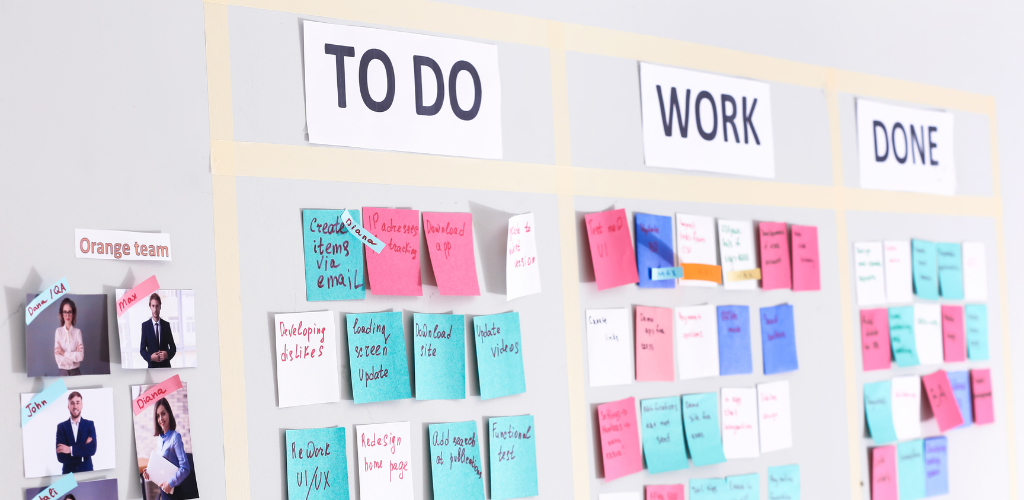
To create a detailed event timeline, it’s crucial to break down tasks into manageable chunks and assign specific timeframes. Start by listing all the tasks required for each stage of the event, from pre-event preparations to the actual day. Be realistic with the time estimates, allowing for potential delays or unexpected situations. Breaking tasks into smaller steps minimizes the chances of overlooking important details.
Tip #4: Prioritize and Create Contingency Plans
While crafting your timeline, identify critical tasks that must be completed on time. These might include supplier confirmations, meeting with the venue manager, or finalizing the event agenda. Prioritize these tasks to ensure they receive adequate attention. Additionally, have contingency plans in place for unforeseen circumstances, such as bad weather or last-minute cancellations.
Tip #5: Allow Buffer Time
Even with the most careful planning, it is essential to build in some buffer time within your timeline. Unexpected issues can arise, so having a cushion between tasks and activities will help you stay on track and alleviate stress. Buffer time allows for flexibility and ensures that your event can adapt to any unforeseen changes without causing delays in the overall schedule.
What Matters Most
At the end of the day, a successful event timeline isn’t about perfection—it’s about preparation, clarity, and flexibility. Starting early gives you the space to think strategically instead of reactively. Clear milestones and well-defined tasks keep everything moving forward with purpose, while strong communication ensures your entire team stays aligned and confident in their roles.