
As the event industry has evolved, so have the expectations for speakers and presenters. Every event format whether in-person, virtual, or hybrid requires thoughtful preparation, audience awareness, and the ability to adapt to different environments.

By understanding the pillars of event planning, setting clear priorities, tracking expenses carefully, and focusing on value over cost alone, event planners can maximize their budgets without sacrificing quality. When financial decisions align with event goals, the result is a well-executed experience that delivers meaningful outcomes for attendees while supporting long-term event success.

A well-planned budget isn’t just about controlling costs—it’s about creating confidence. When you understand the factors that can impact your event expenses, you’re better equipped to make informed decisions, adapt to changes, and deliver an exceptional experience without unnecessary financial surprises.

At its core, the 5 W’s—who, what, when, where, and why—are more than just planning questions; they are the foundation of a strategic, successful event.

Hiring an event strategist isn’t just about outsourcing tasks—it’s about elevating your entire event experience.

Successful events aren’t driven by one big tactic — they’re built through consistent, intentional actions across a few key areas.
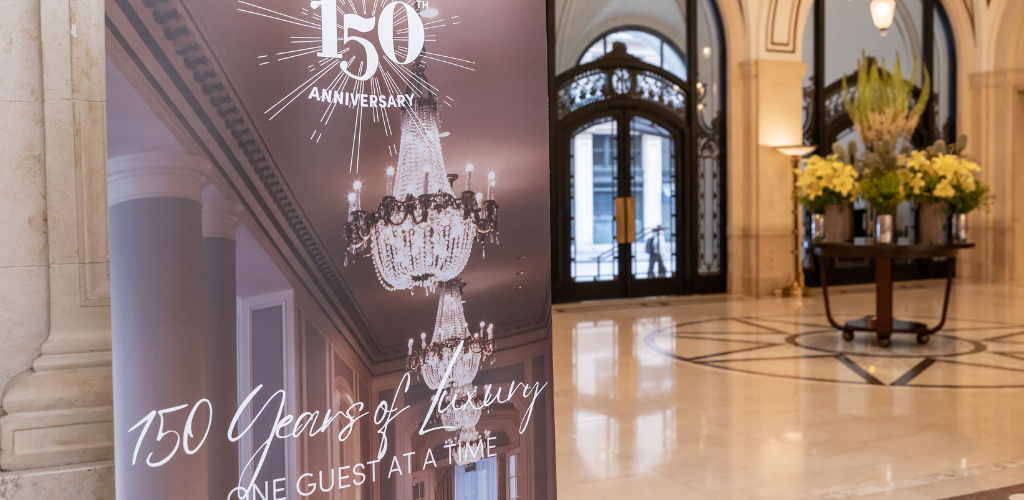
An event is more than a date on the calendar — it’s a chance to create a moment people carry with them long after the last chair is stacked.

Creating engaging and interactive events requires a blend of creativity, strategic planning, and a deep understanding of your audience’s preferences.

How do you measure success with your events? Knowing whether your event was a success goes beyond just counting the number of attendees. It requires a strategic approach to measuring engagement, satisfaction, and other critical metrics that can guide future events. Here’s a breakdown of some essential data points you should track to truly understand the success of your event. […]
The key to a successful event timeline is to start early and establish clear milestones along the way. Begin by mapping out the major deliverables, such as securing the venue, booking vendors, and sending out invitations. By setting these milestones, you can effectively track progress and stay organized throughout the planning process.