Maximizing Event Technology: Elevate Experience and Efficiency with Smart Tools
June 1, 2026
In today’s fast-evolving event landscape, technology is no longer optional—it’s essential. From seamless registration to immersive on-site experiences, the strategic use of event technology can transform how events are planned, managed, and experienced. When used intentionally, the right tools not only enhance attendee engagement but also improve efficiency for planners behind the scenes.
At the foundation of maximizing event technology are event platforms. A robust platform serves as the central hub for your event, managing everything from registration and ticketing to session scheduling and attendee communication. The key is choosing a platform that aligns with your event goals. Whether you’re hosting a corporate conference, hybrid summit, or virtual workshop, your platform should support scalability, customization, and real-time data tracking. This allows planners to make informed decisions and quickly adapt to attendee needs.
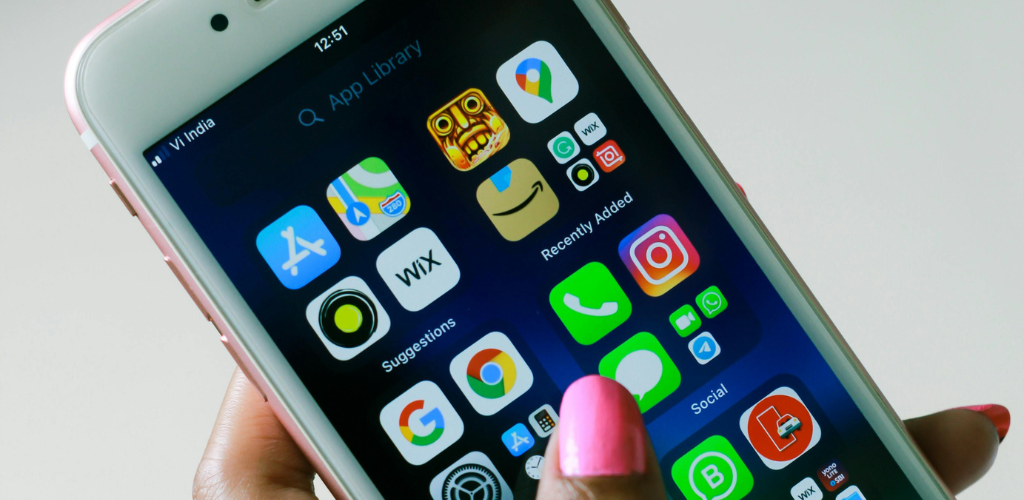
Event apps take this experience a step further by putting everything directly into attendees’ hands. A well-designed app offers easy access to agendas, speaker information, maps, and networking opportunities. Features like push notifications keep attendees informed and engaged, while interactive elements such as live polling, Q&A sessions, and gamification create a more dynamic and participatory environment. The result is an experience that feels personalized, organized, and engaging from start to finish.
Beyond platforms and apps, emerging technology is redefining what’s possible in events. Artificial intelligence is being used to personalize attendee journeys, recommending sessions, connections, and content based on individual preferences. Meanwhile, tools like augmented reality (AR) and virtual reality (VR) are creating immersive experiences that captivate audiences and leave lasting impressions. Even simple innovations, such as contactless check-in and digital business cards, are streamlining operations and enhancing convenience.
However, maximizing event technology isn’t just about adopting the latest tools—it’s about using them strategically. Every piece of technology should serve a purpose and contribute to the overall event experience. Too many tools can overwhelm both planners and attendees, while the right combination can create a seamless, cohesive journey. Integration is also critical; ensuring your systems communicate with one another reduces manual work and minimizes the risk of errors.
Equally important is preparing your audience to use the technology effectively. Clear instructions, pre-event communication, and on-site support can make all the difference in adoption rates and overall satisfaction. When attendees feel confident navigating the technology, they’re more likely to engage fully with the experience.
What Matters Most
Maximizing event technology comes down to intention, not just innovation. The most successful events use technology to enhance—not complicate—the attendee experience. When your platforms, apps, and tools are aligned with your goals, integrated seamlessly, and easy for attendees to use, they become powerful assets rather than distractions. Focus on creating a cohesive, user-friendly journey that supports connection, engagement, and efficiency. When technology works effortlessly in the background, it allows your event—and your audience—to truly shine.