From Empty Field to Community Celebration: Planning the Lake Sonoma Steelhead Festival
August 1, 2026
Let me set the scene: At 6:15 on a cool March morning, the festival grounds were quiet.
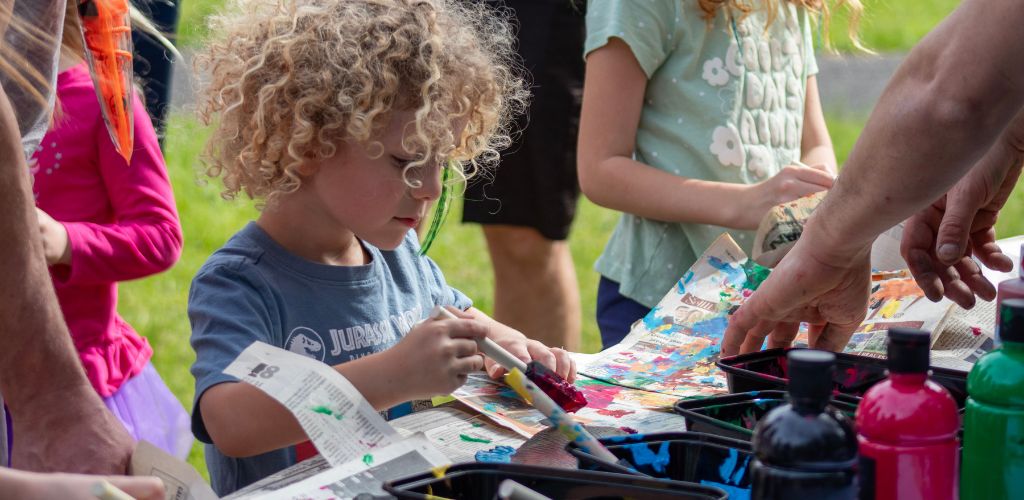
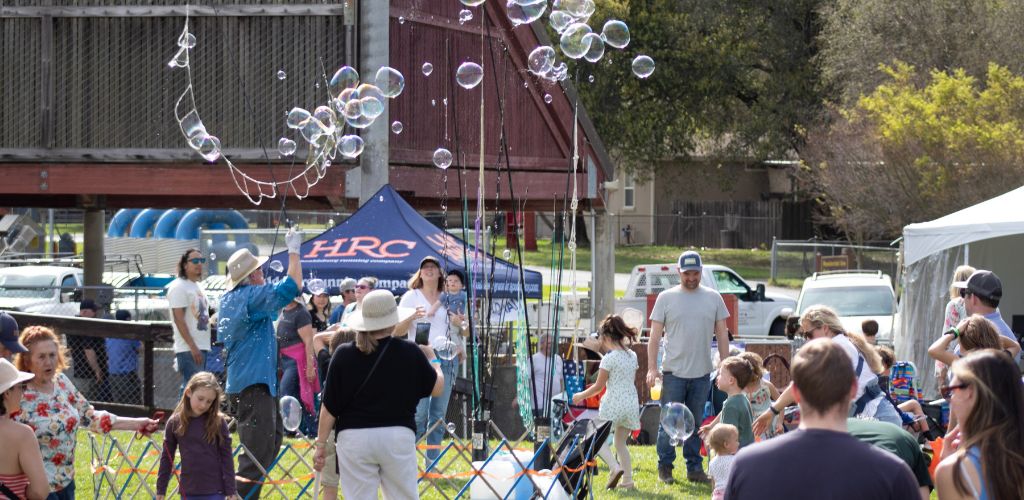
Within a few hours, thousands of people would be exploring exhibits, listening to live music, meeting conservation partners, enjoying local food, and learning about the remarkable journey of the endangered steelhead trout.
But at that moment, it was just a handful of us with radios in hand, vendor maps tucked under our arms, trucks rolling into place, and a long checklist that had been months in the making.
This is my favorite part of event day.
The attendees never see these moments. They arrive to a welcoming entrance, organized booths, smiling volunteers, and a festival that simply feels effortless. The truth is, “effortless” takes an incredible amount of planning.
More Than Just a Festival
The Lake Sonoma Steelhead Festival is much more than a community gathering. It’s one of California’s largest celebrations of the endangered steelhead trout and a day dedicated to environmental education, conservation, and connecting families with the natural resources that make Sonoma County so special. Hosted by Friends of Lake Sonoma alongside Sonoma Water, the U.S. Army Corps of Engineers, and the California Department of Fish and Wildlife, the free event welcomes approximately 8,000 visitors each year.
When you see children learning to cast off a fishing line, families touring the hatchery, or visitors talking with environmental organizations, you’re seeing the mission come to life. That’s what makes this event worth it every early morning.
The Work Begins Long Before Festival Day
People often assume event planning starts a few weeks before the event.
In reality, planning begins months in advance.
Before the first tent is reserved, we’re coordinating permits, confirming sponsors, developing site layouts, scheduling entertainment, organizing food vendors, recruiting exhibitors, reviewing safety plans, coordinating volunteer assignments, and working closely with multiple partner organizations.
This festival regularly brings together around 60 exhibitors and vendors, dozens of volunteers, sponsors, entertainers, and public agencies—all moving toward one shared goal.
Every timeline connects to another.
Every detail affects someone else’s schedule.
That’s why thoughtful planning matters.
Watching an Empty Field Become a Festival
Event morning starts well before sunrise.
Delivery trucks begin arriving.
Rental crews unload tents and tables.
Electricians power the stage.
Signage appears throughout the grounds.
Food vendors prepare their kitchens.
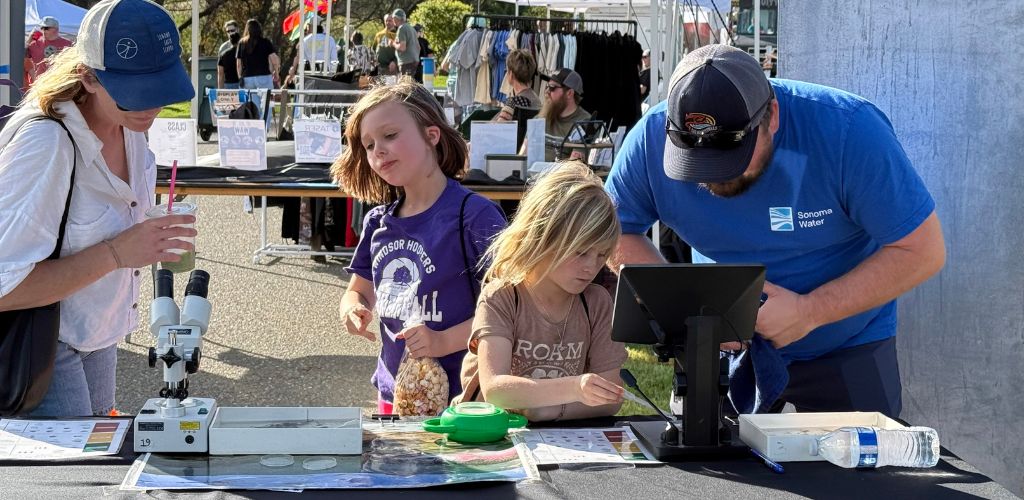
Exhibitors transform empty spaces into engaging educational experiences.
Music drifts across the property during sound checks while volunteers receive last-minute instructions and maps.
One by one, every moving piece begins fitting together.
An empty field slowly becomes a destination. It’s one of the most rewarding transformations to witness.
When the Unexpected Happens
No event is ever completely predictable.
This year, one vendor experienced a delay during load-in, creating a ripple effect for neighboring booth placements.
Instead of allowing that delay to affect everyone else, we quickly adjusted the arrival sequence, shifted a few placement assignments, communicated the updates to volunteers, and kept the remaining vendors moving.
Most guests never noticed.
That’s exactly the goal.
Successful event management isn’t about avoiding every challenge. It’s about responding calmly, communicating clearly, and solving problems before they become someone else’s problem.
Then the Gates Open
Once guests begin arriving, my perspective changes completely.
Visitors are watching demonstrations, enjoying live music, tasting local food, and exploring the exhibits.
Meanwhile, I’m watching traffic flow, checking volunteer stations, monitoring vendor needs, confirming entertainment schedules, answering questions over the radio, and staying several steps ahead of what’s happening next.
If guests leave saying everything felt organized, welcoming, and fun, then we’ve done our job.
The best event production is often invisible.
By the Numbers
When the festival concludes, the numbers tell an impressive story:
Up to 8,000 community members attend each year.
Approximately 60 exhibitors and vendors participate.
Multiple nonprofit, government, and community organizations work together to educate visitors about conservation and watershed stewardship.
Beer, wine, donations, sponsorships, and the silent auction help support Friends of Lake Sonoma’s education programs, bringing thousands of local students to the hatchery each year.
Those numbers represent much more than attendance. They represent partnerships, education, community engagement, and months of collaboration.
Why I Love This Work
As I stood near the entrance that morning watching the first families walk through the gates, I thought back to how quiet everything had been just a few hours earlier.
The empty pathways were now filled with conversation.
The blank event map had become a living experience.
Every checklist, meeting, phone call, site visit, and planning session had led to this moment.
Guests saw a wonderful day with family and friends.
I saw months of preparation coming together exactly as intended.
That’s the beauty of event planning.
When it’s done well, the planning disappears—and all that’s left is an experience people remember.
What Really Matters
Planning an event like the Lake Sonoma Steelhead Festival has reminded me that successful events aren’t defined by the moments people notice rather they’re defined by the countless details they never have to think about. Every permit, site map, vendor conversation, contingency plan, and early morning setup contributes to creating an experience that feels welcoming, seamless, and memorable. When guests can simply enjoy the day, connect with their community, and leave inspired, I know the planning accomplished exactly what it was meant to do. That’s what really matters.