
As the year draws to a close, it’s time to reflect on the successes and challenges we’ve faced in our event planning journey. With each experience, valuable insights can be garnered that can set us up for an even more successful new year. So, how can you leverage these past learnings to plan strong and impactful events for the upcoming year? Let’s dive into some effective strategies!
1. Review and Reflect: Learn from the Past Year
The first step in planning for the future is reflecting on the previous year. Gather your team and discuss what worked, what didn’t, and why. Were certain themes or locations more successful? Did any marketing strategies resonate more with your audience? Collect feedback from attendees and team members alike. Their insights will be invaluable as you strategize for the new year.
2. Set Clear, Measurable Goals
After reflection, it’s vital to establish clear, measurable goals for next year. Whether it’s increasing attendance by a specific percentage, enhancing engagement through interactive sessions, or diversifying your event offerings, having a set target will guide your planning process and keep your team focused. I love using the the SMART criteria (Specific, Measurable, Achievable, Relevant, Time-bound), this will help to ensure your goals are effective and realistic.
3. Budget Wisely
With the knowledge gained from past events, you’ll be better equipped to allocate your budget more efficiently. Analyze expenditures from previous events to identify areas where savings can be made or where investing more could enhance the guest experience. Prioritize budget items that directly impact attendee satisfaction, such as quality speakers or engaging activities.
4. Embrace Technology
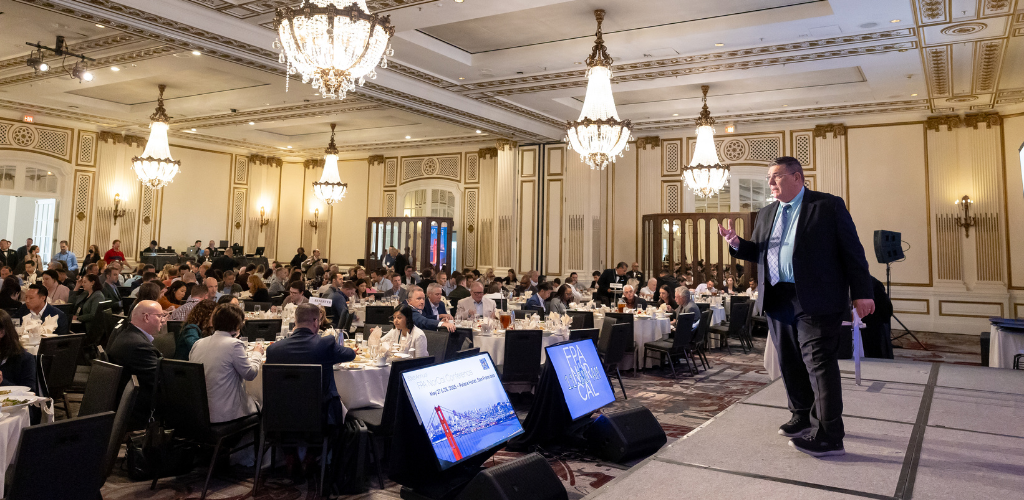
The event industry is continuously evolving, with new technologies changing the way we plan and execute our events. Consider which tools worked well last year and which ones didn’t. From virtual event platforms to event management software, investing in the right technology can streamline your planning process and improve the attendee experience. Stay updated on the latest trends to ensure your events remain fresh and engaging.
5. Engage Your Audience Early
Don’t wait until the day of the event to connect with your audience; engage them early and often. Use social media, email newsletters, and polls to keep your audience informed and excited about what’s coming. Sharing behind-the-scenes planning moments can create a sense of anticipation and community. This builds a stronger connection and more engaged attendance.
6. Continuous Education
Part of successful event planning involves keeping up with industry trends and best practices. Attend workshops, webinars, or networking events to learn from industry leaders and peers. Staying educated will not only enhance your skill set but will also inspire fresh ideas for your events.
Conclusion
As we approach the New Year, remember that your past experiences hold a treasure trove of insights. By reviewing these learnings, setting clear goals, budgeting wisely, embracing technology, engaging your audience, and committing to continuous education, you’ll start the year with a strong foundation for the events ahead. Let’s make the coming year your best one yet, filled with memorable and impactful experiences!