
An event is more than a date on the calendar — it’s a chance to create a moment people carry with them long after the last chair is stacked. I’ve learned that the difference between “nice” and “unforgettable” comes down to intentional design, thoughtful details, and a little bit of storytelling. Whether you’re planning a board retreat, a client appreciation luncheon, or a community workshop, these practical strategies will help you craft experiences that stick.
Start with Purpose and People
Before you pick a color palette or book a venue, get crystal clear on the purpose of your event and who you’re serving. What do attendees need to feel, learn, or do by the end of the day? When you plan from the audience’s perspective — especially the busy, detail-oriented professionals — every decision supports a meaningful outcome.
Design the Journey, Not Just the Schedule
Guests remember how an event made them feel, not how many bullet points were on the agenda. Sketch a guest journey from arrival to goodbye: welcome energy, engagement peaks, quiet moments for reflection, and a memorable send-off. Think in rhythms—energizers, deep-dive sessions, and pockets of connection—so the day flows and fatigue doesn’t win.
Engage the Senses
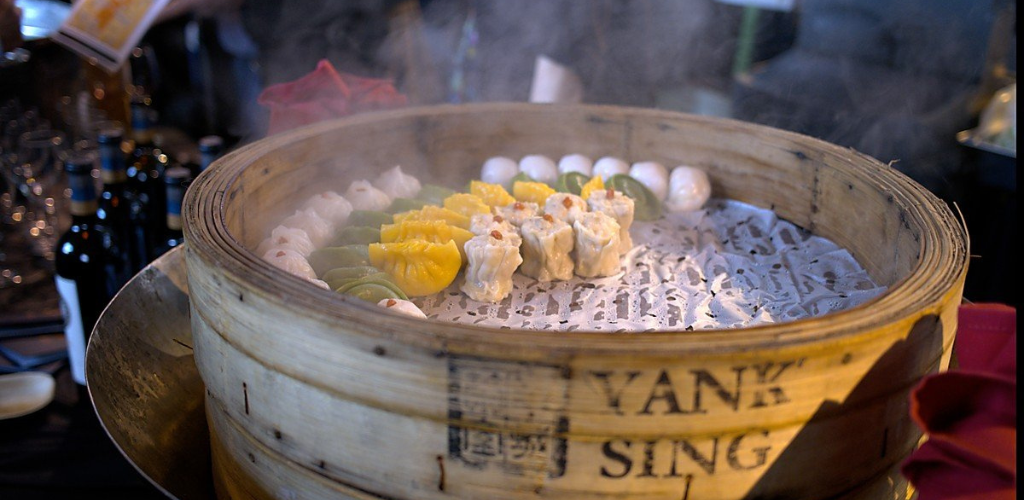
Sight, sound, smell, and touch are powerful memory anchors. Small sensory touches—fresh florals, a curated playlist, warm lighting, or a welcome scent—create an atmosphere that feels intentional and inviting. For hybrid or corporate settings, invest in clear audio and visuals; technology that fades into the background makes a big difference in how people experience content.
Personalize with Purpose
Personalization doesn’t require extravagance. A thoughtful welcome note, name-specific seating, or a breakout topic tailored to attendee interests sends a strong message: you were considered. Use pre-event surveys and registration data to create moments that resonate personally.
Plan Like a Pro, Rehearse Like a Host
Great events run on preparation. Create detailed run sheets, assign roles, and rehearse transitions—especially for speakers and AV cues. A calm, competent team allows you to be present with guests instead of firefighting behind the scenes.
Measure and Follow Up
Memorable events keep the conversation going. Capture feedback, share takeaways, and follow up with resources or photos. Those follow-up touches help cement the experience and turn attendees into advocates.
Creating memorable events is part art, part strategy—and 100% worth it. Be ready to elevate your next event with intentional design and thoughtful details and make your next gathering truly unforgettable.